Community
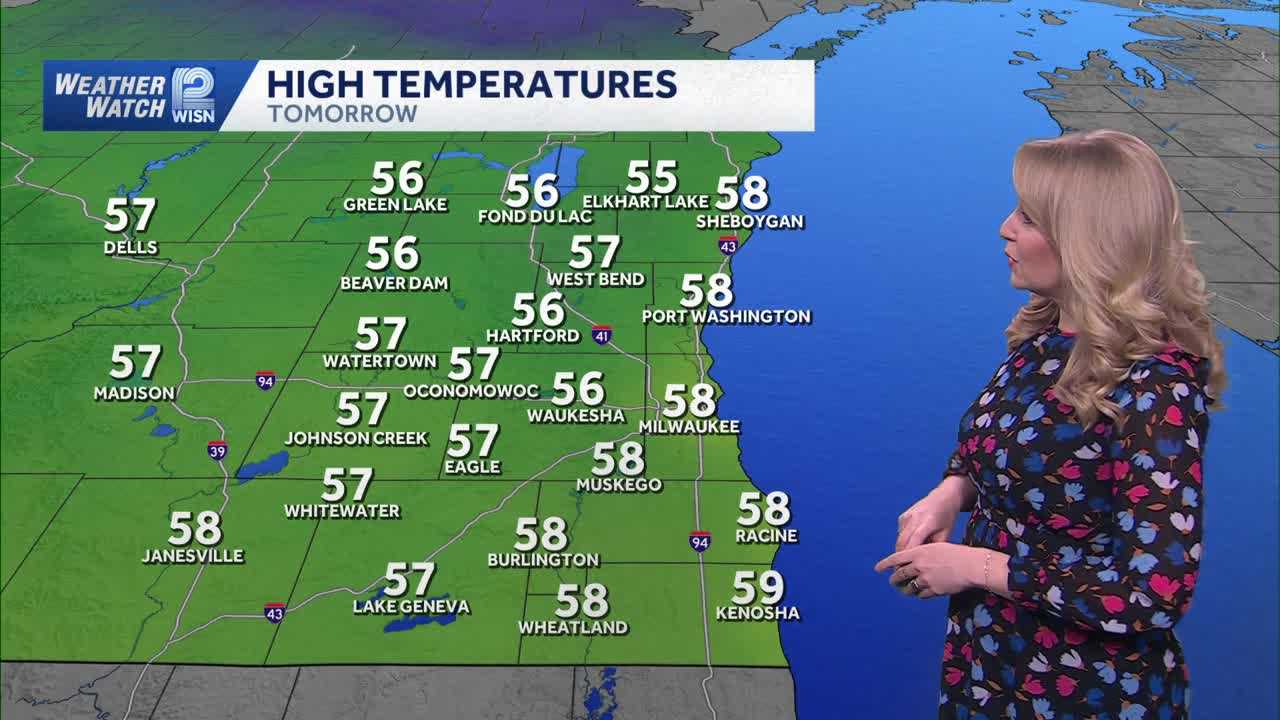
Mild and breezy Sunday in SE Wisconsin
By Marcus Chen
Advertisement · Why this ad?
Marcus manages the day-to-day editorial workflow across all brands, coordinating coverage assignments and ensuring editorial standards are met. He previously served as city editor at the Pioneer Press and holds a degree in Political Science from Carleton College.
More from Marcus →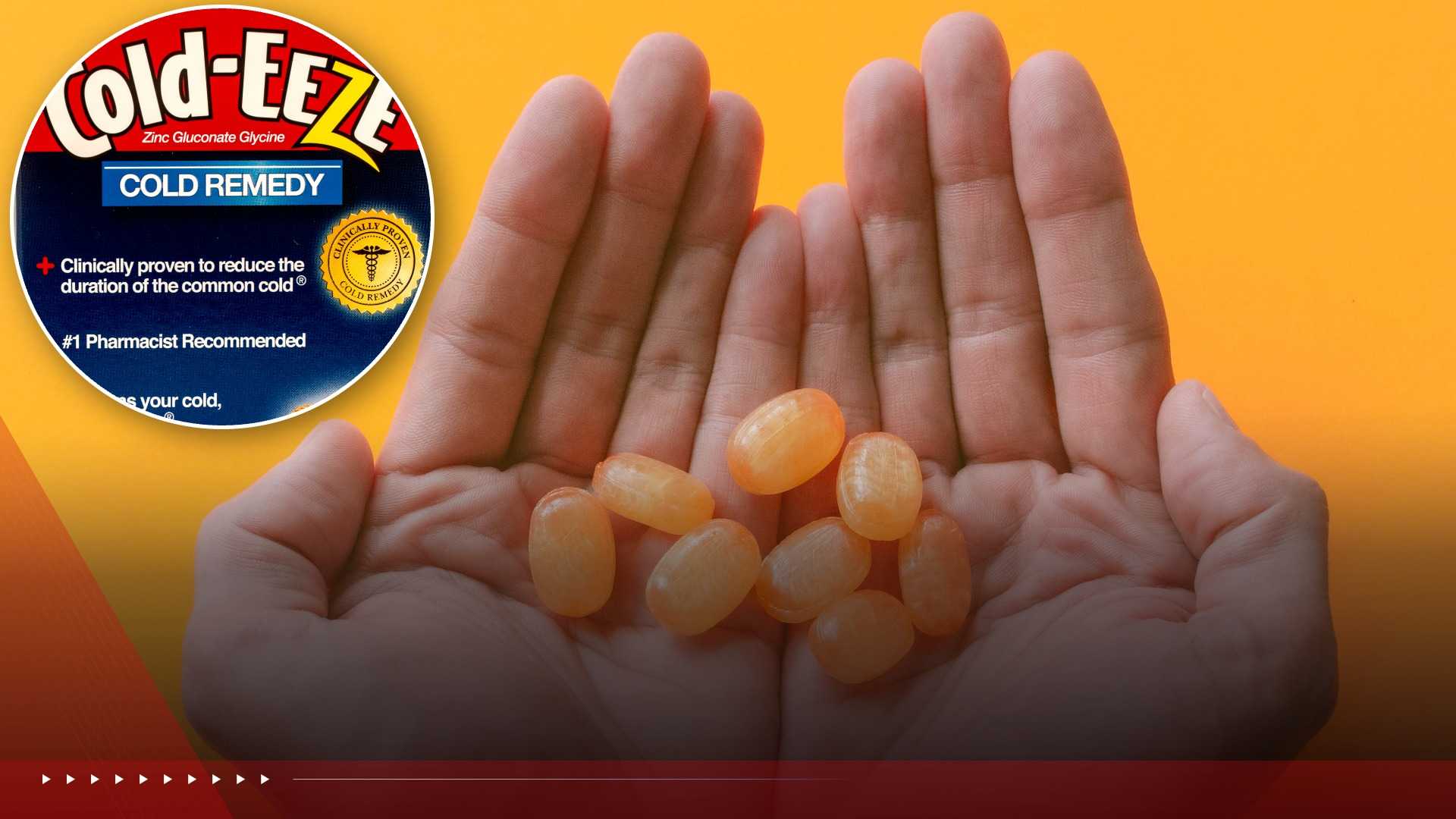
As sniffle season once again casts its shadow over Brookfield, many local families find themselves grappling with the familiar coughs and sneezes that disrupt daily life. In the quest for relief, countless residents turn to readily available remedies like zinc lozenges, hoping to find a quick and effective way to banish stubborn colds. Yet, with scientific studies presenting a nuanced picture, many are left wondering if these over-the-counter options truly deliver on their promise, or if they are simply another hopeful but ultimately uncertain investment in wellness.
The hard truth, according to recent comprehensive research, is that while zinc lozenges may offer some benefit, the evidence is far from conclusive. A significant 2024 paper published by the Cochrane Database of Systematic Reviews suggests that these supplements might reduce the average duration of a common cold by approximately 2.4 days when compared to a placebo. However, the authors themselves expressed “little confidence” in the overall strength of the evidence, highlighting the ongoing debate surrounding their efficacy.
Zinc is an essential mineral, playing a vital role in numerous bodily functions crucial for maintaining overall health. It is indispensable for a robust immune system function, aiding in wound healing, supporting bone growth, and even contributing to hormone production. Our senses of taste and smell, which often suffer during a cold, also rely on adequate zinc levels. Most individuals typically obtain sufficient zinc through a balanced diet, making severe zinc deficiency relatively uncommon in the United States.
Despite this, the market is awash with over-the-counter zinc lozenges and nasal sprays, widely promoted as effective cold-quashing treatments. The allure of a simple remedy that can shorten the misery of a cold is powerful, particularly for parents trying to keep their children healthy and in school, or for working adults who cannot afford to miss valuable time.
The 2024 Cochrane review meticulously examined the findings of 34 distinct studies focusing on zinc's ability to prevent or treat the common cold. Their analysis revealed that while regular zinc supplementation offered little to no benefit in preventing colds from occurring in the first place, its potential for treating existing colds showed more promise. The reduction of cold duration by roughly 2.4 days is certainly appealing, but the researchers' caution about the evidence's reliability underscores the complexity of drawing definitive conclusions.
Part of this complexity stems from the varying results across different studies. While several experimental trials and meta-analyses have corroborated zinc's cold-shortening benefits, others have failed to identify a significant effect. This inconsistency leaves many, including our Brookfield neighbors, in a state of uncertainty when trying to make informed health decisions for their families.
For zinc to exert any beneficial effect as a cold treatment, it must be administered in a way that allows it to directly interact with the nose and throat – the primary sites where respiratory infections take hold. This is why lozenges and nasal sprays are the preferred forms of delivery. However, this direct application comes with its own set of concerns. Notably, certain zinc nasal sprays have been definitively linked to permanent loss of smell, prompting serious FDA warnings regarding several products on the market. This alarming side effect serves as a stark reminder that even seemingly innocuous remedies can carry significant risks.
Dr. Harri Hemilä, a distinguished Finnish researcher who has dedicated years to studying zinc's impact on colds, points to the wide variation in dosages and ingredient formulations as a key reason for the inconsistent study results. The 34 studies reviewed by Cochrane featured daily zinc dosages ranging dramatically from a mere 0.044 milligrams to a substantial 296 milligrams. Furthermore, these studies utilized different types of zinc – including zinc acetate, zinc gluconate, and zinc orotate – and were administered in various forms such as nasal sprays, lozenges, and syrups.
Dr. Hemilä's own systematic review in 2011, which analyzed 13 studies, highlighted a critical threshold: trials using daily doses of less than 75 milligrams showed no discernible effect on cold duration, whereas those exceeding 75 milligrams did demonstrate a benefit. This finding is particularly relevant given the common formulations available today. Dr. Hemilä candidly stated that the “greatest problem with using zinc lozenges to treat colds is the difficulty in finding proper lozenges,” noting that many commercial products may contain insufficient doses or include ingredients like citric acid that can bind to zinc, rendering it less effective.
Consider popular lozenge brands like Cold-EEZE, which typically contain around 11-13 milligrams of zinc per lozenge. To reach Dr. Hemilä's suggested 75-milligram threshold, an individual would need to consume six to seven lozenges daily – a significantly higher intake than what is often recommended on product packaging. This discrepancy underscores the challenge for consumers trying to navigate the market effectively.
Beyond the question of efficacy, potential side effects are another factor for families to consider. Common complaints associated with zinc cold products include an unpleasant taste, nausea, and diarrhea. For many, the discomfort of these side effects may outweigh the potential benefit of shaving a couple of days off a cold, especially if the relief is not guaranteed. It's a personal calculation many Brookfield households make when weighing their options.
In terms of safety, however, experts offer some reassurance for short-term, higher-dose use during a cold. Dr. Mark H. Ebell, a family medicine professor at Michigan State University, noted that “as far as we know, there are no serious risks to taking the lozenges for a few days.” This suggests that for a brief period, attempting a higher dose of zinc to combat a cold is unlikely to cause dangerous zinc toxicity.
However, this short-term safety should not be confused with regular, long-term high-dose supplementation. The recommended daily intake of zinc for adults typically ranges from 8 to 11 milligrams. Consistently exceeding 40 milligrams per day can lead to serious health complications, including copper deficiency, which can have its own cascade of negative effects on the body. Therefore, while a temporary boost might be considered for a severe cold, it is crucial to avoid prolonged high intake and always consult a healthcare professional before adding any new supplement to one's routine, especially for children or those with existing health conditions. Local health providers at UW Health or Froedtert & MCW are excellent resources for personalized advice.
For Brookfield families, navigating the cold and flu season is a perennial challenge. The desire to protect loved ones, particularly young children whose immune systems are still developing, is paramount. Ensuring that children can attend school and participate in community activities without constant illness is a goal shared by many. This often means seeking out the most effective and safest remedies available. Understanding the nuanced findings surrounding zinc lozenges empowers parents and individuals to make more informed health decisions, rather than relying solely on marketing claims.
The City of Brookfield thrives on the health and stability of its households. Strong families, built on mutual care and informed choices, are the bedrock of our community. When it comes to health, this means prioritizing evidence-based practices and seeking guidance from trusted medical professionals. Resources like the Centers for Disease Control and Prevention and the Mayo Clinic offer reliable information, as do local pediatricians and family doctors, who can provide tailored advice for each unique family situation, particularly concerning children's health needs through institutions like Children's Wisconsin.
Ultimately, while zinc lozenges may offer a glimmer of hope for shortening a cold, they are not a miracle cure, and their effectiveness is still debated by the scientific community. For those in Brookfield battling the sniffles, the best approach remains a combination of good hygiene, rest, hydration, and a thoughtful conversation with a doctor or pharmacist. It's about making wise, well-researched choices that support the health and resilience of every family, ensuring our community remains strong and vibrant through every season.
By Marcus Chen

By Marcus Chen

By Katherine Langford

By Marcus Chen